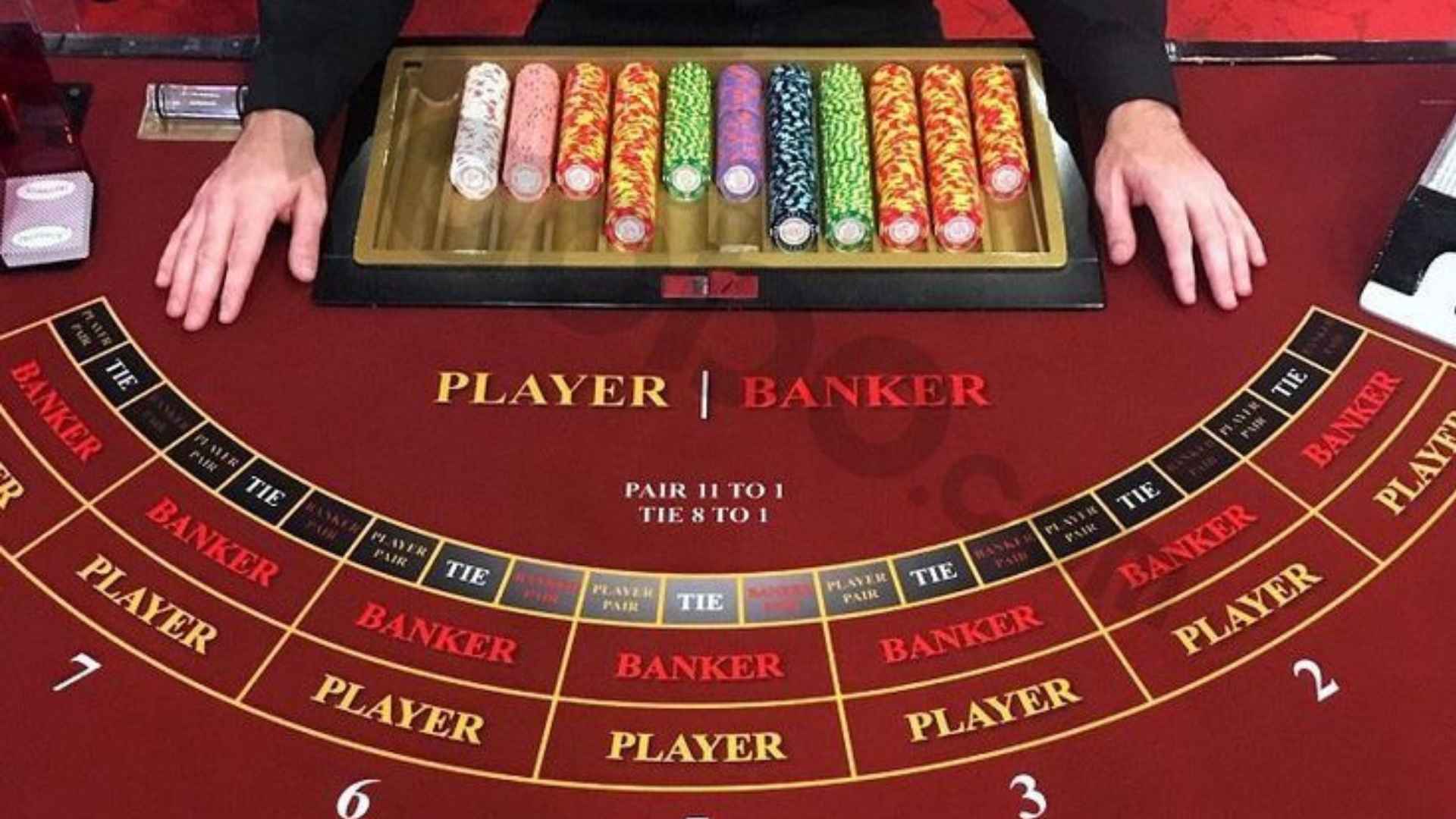
The architecture of early tabletop card games often incorporated a shifting distribution of operational power to maintain engagement and strategic depth among participants. Long before corporate institutions completely centralized table operations, card games like classic baccarat variants relied on players stepping up to manage the table funds. This structural arrangement created a unique environment where the financial burden and the privilege of acting as the dealer could quickly change hands during a session.
The Shared Dynamics of Shifting Capital
In traditional European card rooms, the role of the banker was not a permanent fixture managed by a corporate entity with unlimited resources. Instead, participants frequently shared the operational burdens, turning a passive wagering choice into a profound strategic commitment. This fluid arrangement altered the psychological environment of the room, turning a simple card duel into a complex social event driven by communal participation.
When the liability of holding the bank shifted, players had to adjust their tactical approaches based on their immediate financial exposure. This traditional framework fostered an atmosphere where spatial position and observation mattered far more than memorized mathematical patterns. Understanding this historic balance between risk and direct involvement highlights the stark differences between older social traditions and fully automated modern gaming styles.
How French Salons Refined Table Accountability
During the nineteenth century, French gaming salons served as premier epicenters where simple parlor games transformed into highly sophisticated card rituals. Variants like Baccarat Banque allowed players to challenge each other directly, which kept the competitive tension focused between participants rather than against an anonymous house. This direct control allowed seasoned enthusiasts to read their opponents and make active tactical adjustments based on physical behavior.
Over the generations, these elaborate setups transitioned into streamlined formats designed for faster outcomes and broader audience appeal. Modern enthusiasts looking to experience contemporary versions of these legendary card matchups can explore platform updates at m88 m88lu.io to see how early mechanics have adapted to digital environments. This digital transformation retains the core card-comparing mechanics while utilizing automated platform systems to manage the complex banking rules instantly.
The Spatial Strategy of Table Placement
The layout of a traditional gaming room was never a matter of mere aesthetics or random furniture placement. In classic card rooms, your physical placement relative to the dealer dictated your access to crucial data before making a choice. Players who understood how to utilize their seating arrangement could consistently make more informed choices throughout an extended session.
Sitting in a later position provided a distinct structural advantage by allowing a participant to observe previous decisions before acting. This relationship between risk and table position reveals how early enthusiasts used spatial awareness to mitigate financial vulnerability and outmaneuver their opponents. By tracking the movement of table responsibilities, participants could predict shifting patterns of aggression and caution across the table.
The Enduring Appeal of Collaborative Risk
Uncovering the historic traditions of rotating roles reminds modern enthusiasts that card games were originally designed as shared social events built around active participation. Recognizing the historical shift from player-controlled banks to centralized modern structures provides a deeper appreciation for every round dealt at a contemporary table. By understanding these older custom variations, players gain a more complete perspective on the sophisticated evolution of global casino culture.